Welcome to TickWise MV


Follow us on IG 👉
Providing expert, science-based diagnosis, treatment & education on all aspects of tickborne illness—including Alpha-Gal Syndrome—on Martha's Vineyard and Nantucket


Follow on IG 👉
Local Tickborne Illnesses & Symptoms
Lyme Disease:


-
Transmission by Deer Ticks bites only
-
Caused by a bacteria in the tick’s gut (Borrelia burgdorferi )
-
Transmission typically requires attachment for >24-36 hours (must be engorged)
-
Most humans infected by nymphs in spring and summer months
-
Infection also by adult Deer Ticks in cooler months
-
Larger and more likely to noticed and removed
-
Incubation period (time until you feel sick) is 3-30 days

Early Lyme Symptoms
-
FLU-LIKE fever, chills, swollen nodes, body aches, joint pain, malaise, headache
-
Erythema migrans (”BULL’S EYE RASH)
-
Red, annular or homogenous rash at bite site
-
Expands over days to >5 cm
-
Possible central clearing (Bull’s Eye)
-
Extremely variable in presentation, looks different on different skin shades
-
Warm, rarely painful or itchy
-
Occurs in 70-80% of Lyme cases
-
Often overlooked
-
TESTING CAN BE NEGATIVE IN EARLY PHASE; TREATMENT IS OFTEN PROVIDED ON THE BASIS OF THE RASH ALONE

Later Stage Lyme Symptoms and Manifestations
-
60% pts w untreated early Lyme progress to Disseminated Lyme Disease
-
Diverse clinical manifestations
-
Neurological
-
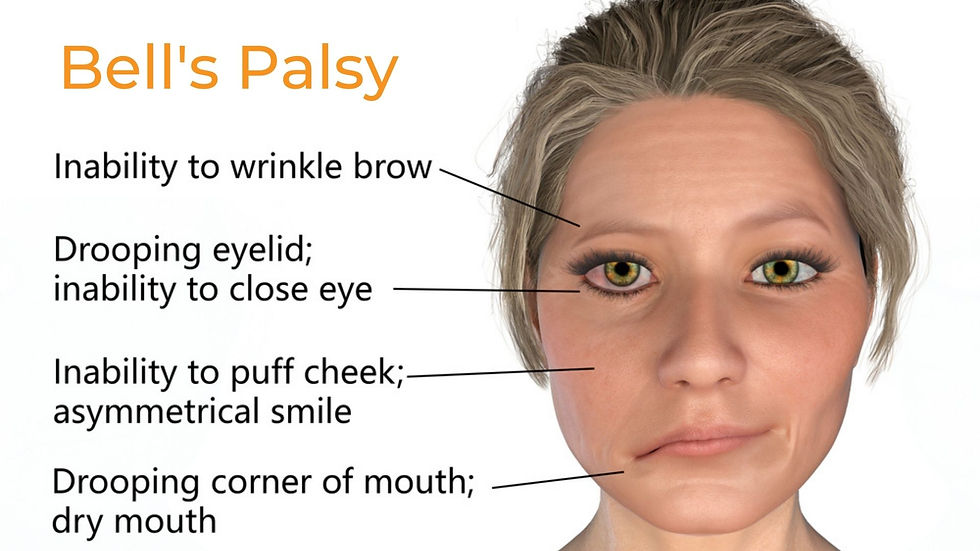
Bell's palsy, meningitis, fatigue
-
-
Cardiac
-
heart blocks, carditis
-
-
Musculoskeletal/Rheumatologic
-
joint pain an swelling, fatigue
-
-
Dermatological
-
rashes including multiple EM lesions
-
-
-
Appears w/in weeks to months w/o treatment

Ehrlichiosis
-
Transmission is by the bite of both Lone Star and Deer Ticks
-
Caused by a bacteria:
-
E. muris eauclairensis from Deer Ticks
-
E. chaffeensis and E. ewingii from Lone Star Ticks
-
-
Incubation period 5-14 days
Symptoms
-
Non-specific flu-like: fever, chills, headache, malaise, msucle aches, nausea, vomiting, diarrhea, poor appetite
-
Non-specific rash
-
More common in children
-
-
Neurologic manifestations
-
Cardiac inflammation


Babesiosis
-
Transmission by Deer Tick bite (primarily)
-
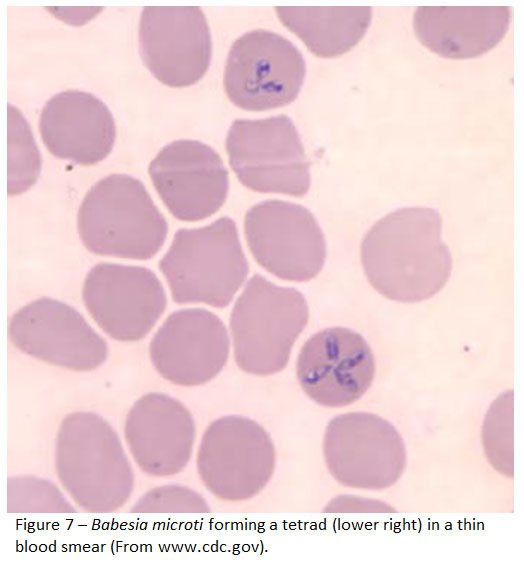
Caused by a protozoa that infects red blood cells (like malaria)
-
Incubation period 1–4 weeks but can range from 5–33 days
-
25% adults and 50% children have no symptoms
Symptoms
Flu-like and non-specific and can include:
-
Fever, chills, sweats, headache, nausea, fatigue, muscle aches, poor appetite, yellowing of the skin, enlarged liver, dark urine
-
Can range from no symptoms to severe
-
Risks for severe babesiosis include not having a spleen, advanced age, impaired immune system
-
These cases can be life-threatening
-
Only local tickborne infection NOT treatable with doxy other than Powassan (a virus) and Alpha-gal Syndrome (an allergic syndrome, not an infection)
Treatment is with Atovaquone and Azithromycin
4-5 % may have coinfection w Lyme and may also need doxycycline

Anaplasmosis
-
Transmission by Deer Tick bites
-
Caused by a bacteria, Anaplasma phagocytophilum
-
Incubation period 5-14 days
Symptoms
-
Vague, non-specific flu-like symptoms and vary between patients
-
Fever, headaches, muscle pain, chills, fatigue
-
20% have gastrointestinal symptoms (nausea, abd pain, diarrhea, poor appetite)
-
10% have non-specific rash
-
Frequent coinfection with Lyme Disease (most common coinfection)


Tularemia
-
NOT JUST A TICKBORNE ILLNESS
-
Transmission locally by the bite of Dog & Lone Star Ticks OR
-
Via inhalation
-
Via contact with infected carcasses / animals (rabbits, hares, and rodents) or contaminated food or water
-
-
Caused by a bacteria, Francisella tularensis
-
Incubation period 3-5 days (range, 1-21 days)
Symptoms
-
Non-specific, flu-like:
-
Fever, chills, HA, body aches, poor appetite, fatigue, cough, sore throat, vomiting, diarrhea, abdominal pain
-
-
Skin ulcers at bite site (not always present), swollen nodes
-
Pain breathing, abnormal chest xray findings
-
Light sensitivity, vision impairment/loss, conjunctivitis, swollen lymph nodes
-
Severe throat pain, pus in throat or on tonsils, locally swollen lymph nodes


Rocky Mountain Spotted Fever
-
Transmission locally by the bite of an American Dog Tick
-
Only 4-6 hrs attachment required
-
Caused by a bacteria, Rickettsia rickettsii
-
Incubation period 3-12 days
Symptoms
-
Early symptoms (1-4 days):
-
High fever, severe headache, malaise, body aches, swelling around eyes and back of hands
-
-
Late symptoms (>5 days):Altered mental status/confusion, coma, brain swelling
-
Respiratory compromise
-
Tissue death (may req. amputation)
-
Multi-organ system damage
-
-
Rocky Mountain SPOTTED Fever
-
Rash
-
2-5 days after onset of symptoms
-
Seen in ~90% of patients
-
-
Early rash:
-
flat to raised red or purplish lesions, initially on wrists and ankles, spreads to trunk, occasionally to palms and soles
-
-
Late rash:
-
Petechial (small, pinpoint bruising): red to purplish, > day 6 after symptoms start
-
Considered a hallmark of severe disease
-


STARI (Southern Tick-Associated Rash Illness)
-
Associated w Lone Star tick bites
-
Causes a Lyme-like bullseye rash
-
Single or multiple, generally at bite site
-
Typically smaller diameter than Lyme rash
-
May have central “papule” or bump
-
Often misdiagnosed as Lyme where Lone Star and Deer ticks coexist
-
A syndrome of unknown cause, thus, no diagnostic test
-
Avg time from tick detection to rash 12 days (range 2-21 days)
-
Other symptoms are mild if present at all
-
Can include mild fever, headache, generalized aching, fatigue, nausea
-
-
No treatment needed if there was a confirmed Lone Star tick bite as Lone Star ticks don’t carry Lyme
-
If unsure if Lyme rash or STARI, we treat for Lyme!


Powassan Virus
-
Transmission locally is by the bite of a Deer Tick
-
Time from bite to transmission can be as little as 15 min
-
Caused by a VIRUS
-
Incubation period 1-5 weeks
Symptoms
-
Flu-like: fever, aches, malaise, weakness, headache, sore throat, nausea, vomiting, rash
-
Typically self-limited or even may go unnoticed
-
Weeks to months later, some develop SEVERE neurologic issues
-
Most commonly inflammation of the brain and/or around the brain
-
Prolonged fever, confusion, decreased consciousness, seizures
-
Eye symptoms; paralysis or impaired movement
-
Spastic or flaccid paralysis
-
-
Treatment: NONE. Supportive care for symptom control
Alpha-Gal Syndrome
-
Alpha-Gal Syndrome (AGS) is a serious, potentially life-threatening allergy to a sugar called “alpha-gal”a
-
The alpha-gal sugar is naturally found in all non-primate mammals but also in the saliva of some tick species.
-
Locally, the LONE STAR tick is the species of concern with regard to AGS
-
When a person is bitten by a Lone Star tick, the alpha-gal sugar in the tick’s saliva enters their blood stream. In some people, the immune system identifies this sugar as a threat. Later, when those individuals consume the alpha-gal sugar in mammalian meat, dairy or other products, this immune response can trigger an allergic reactiona
-
Unlike other tickborne illnesses, AGS is NOT an infectious disease and is not treatable with antibiotics
-
Not everyone who is bitten by a Lone Star tick develops AGS. It is currently unclear why
-
Currently, there is no cure for AGS although symptoms can be managed with dietary changes and vigilance, some medications, and prevention of additional Lone Star tick bites
-
Research is ongoing regarding other potential treatments
REMEMBER:
TESTING POSITIVE ALONE DOES NOT MEAN YOU HAVE OR WILL DEVELOP ALPHA-GAL SYNDROME

Symptoms and When to Test:
-
This a confusing topic for those worried about having Alpha-Gal Syndrome
-
Current recommendations are that that
testing ONLY be performed to confirm a very high likelihood of someone having AGS based on symptoms and the timing of onset of symptoms after ingesting products derived from mammals
-
This is because many more people test positive for the Alpha-Gal antibody than who actually have the Alpha-Gal SYNDROME
-
The definition of Alpha-Gal SYNDROME is testing positive WITH symptoms consistent with the condition
-
Testing positive without any symptoms can cause significant anxiety about what, if any, dietary changes need to be made
-
Additionally, the symptoms of AGS can be vague. Establishing a patten of symptoms is key to determining if testing is warranted
-
Whether or not to test should be discussed with a clinician skilled in this field