top of page
Welcome to TickWise MV


Follow us on IG 👉
Providing expert, science-based diagnosis, treatment & education on all aspects of tickborne illness—including Alpha-Gal Syndrome—on Martha's Vineyard and Nantucket


Follow on IG 👉


Ticks of Martha's Vineyard

Deer Tick
Ixodes scapularis
-
Typically found in deciduous forests and tall grasslands and shrubs bordering forests
-
Often found "questing" with outstreched limbs at the ends of plants waiting to attach to passing humans or animals
-
Distribution relies greatly on that of their reproductive host, the White-Tailed Deer
-
The poppy seed-sized nymph (worst offender) and the larger adult females are responsible for transmitting diseases
-
Active all year round


Diseases Transmitted and Treatment
• Treatable with Doxycycline:
• Lyme Disease
• Anaplasmosis
• Ehrlichiosis
• Borrelia Miyamotoi Disease
• Treatable with Atovaquone & Azithromycin
• Babesiosis
• No current treatment, supportive care only
• Powassan Virus
Dog Tick
Dermacentor variabilis

-
Prefer forest edges, areas w little / no tree cover, grassy fields, scrubland, dunes, along walkways, trails, sidewalks
-
Adult males/females active ~April to early August, mostly found questing in tall grass, low-lying brush and twigs
-
Adults commonly feed on humans, climbing to the crown of the head
-
Nymphs and larvae rarely feed on people or pets, preferring smaller animals
Diseases Transmitted and Treatment
-
Bites from nymph and adults can cause Tularemia and Ehrlichiosis
-
Both are treatable with doxycycline
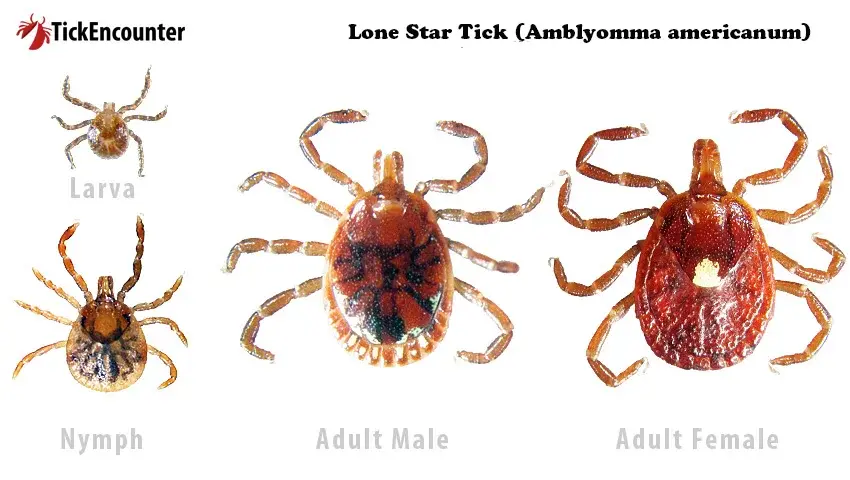
Lone Star Tick
Amblyoma americanum
-
Much broader habitat than Deer Ticks including wooded areas, thickets, grasslands, lawns, animal resting areas
-
Only FEMALES have characteristic "lone star" on their backs
-
Much more robust than other ticks; tolerate colder and warmer temps and lower humidity, adaptable to different environments
-
Actively seek out hosts by crawling instead of just “questing”
-
Active March through October
-
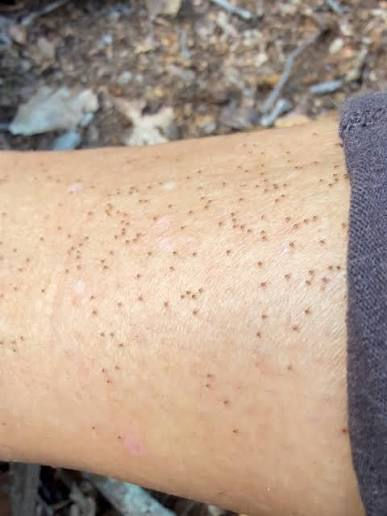
Larval hatches by the hundreds ("tick bombs") from late July through mid-September
Diseases Transmitted and Treatment
-
Bites from Nymphs and Adults can cause Tularemia and Ehrlichiosis
-
Both Tularemia and Ehrlichiosis are treatable with doxycycline
-
Bites from all stages of development can confer the risk of Alpha-Gal Syndrome which is NOT an infectious disease and therefore NOT treatable with antibiotics
-
Alpha-Gal Syndrome currently has no cure. Care includes avoidance of triggers and treatment of symptoms.

Asian Longhorned Tick
Haemaphysalis longicornis
-
Of concern in the US as an invasive threat to livestock and wildlife
-
Feeds on and transmits disease to humans in other parts of the world (thus far)
-
Not currently a tick of local concern with regard to transmitting disease to humans but being monitored

bottom of page